Iran–U.S.: from shadow conflict to controlled escalation

How a long-standing rivalry has crossed the threshold without becoming total war
By Adelio Debenedetti, author of The Naacal Protocol – Code 211
Iran-US
A conflict that no longer belongs to the grey zone
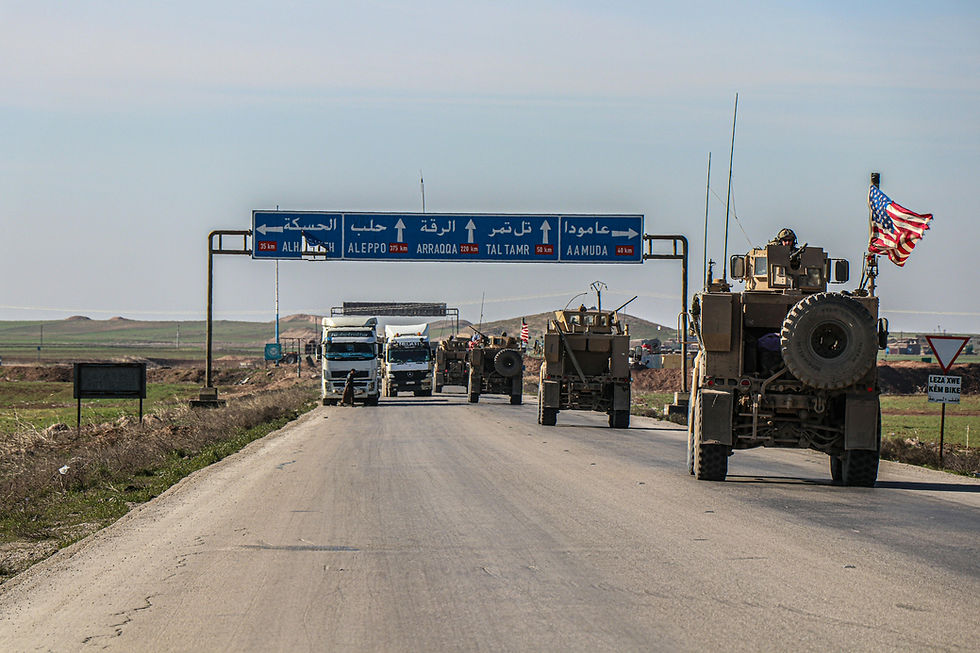
For years, the rivalry between Iran and the United States was described as a potential war—something that could happen, but hadn’t yet. That framing no longer holds. The conflict is no longer confined to the grey zone. It has entered a phase of controlled escalation, where direct actions are no longer exceptional, but calibrated. What we are witnessing is not a conventional war, but something more complex: a confrontation that has crossed a threshold without collapsing into full-scale conflict. Military pressure, economic sanctions, cyber operations and covert activity are no longer parallel tracks. They are now part of a single, evolving system of confrontation.
The energy factor: why Hormuz is no longer just a risk
At the center of this system lies the Strait of Hormuz. For decades, it has been described as one of the most sensitive chokepoints in the global economy. Today, it is more than that. Hormuz is no longer a theoretical pressure point. It has become an active variable in global risk calculations. A significant portion of the world’s oil exports still passes through this narrow corridor. Any disruption—even temporary—would not remain regional. It would immediately translate into global consequences: price volatility, insurance spikes, logistical stress across supply chains. This is what makes Hormuz unique. It is both a vulnerability and a weapon. Its closure would damage the global economy—but it would also affect every actor involved. That mutual exposure is what has historically kept escalation in check. The question now is whether that balance still holds.

Escalation has become operational
What was once considered a possible escalation is now part of reality. Direct actions—previously avoided or denied—have become integrated into the strategic interaction between actors. The confrontation has moved beyond indirect pressure and entered a phase where escalation is no longer hypothetical, but managed. This does not mean total war. It means that the boundaries of acceptable action have shifted. Each move is designed to signal strength without triggering collapse. But the margin for miscalculation is narrower than it has been in decades.
Containment within escalation
Despite the escalation, there are still constraints. The system has not broken. What defines the current phase is a paradox. The conflict is more visible, more tangible, yet still strategically restrained. Iran continues to rely on distributed pressure—regional networks, indirect influence, asymmetric tools. The United States maintains military presence and economic pressure. Israel acts as a forward strategic actor, targeting capabilities it perceives as existential threats. This is no longer containment in the traditional sense. It is containment within escalation. Each actor pushes forward, but not to the point of systemic rupture.
The role of global power competition
The confrontation cannot be understood in isolation. It is embedded in a broader geopolitical shift. Russia and China maintain relationships with Tehran, but these are not alliances in the traditional sense. They are strategic arrangements shaped by convenience and shared interests. Both powers benefit from an Iran that is pressured but not collapsed. A destabilized Iran would introduce unpredictability into a region that remains critical for global energy flows. For this reason, their posture is cautious. They observe, adapt, and position themselves—but avoid direct entanglement. This reflects a broader pattern in contemporary geopolitics: competition without full alignment.
The return of maritime strategy
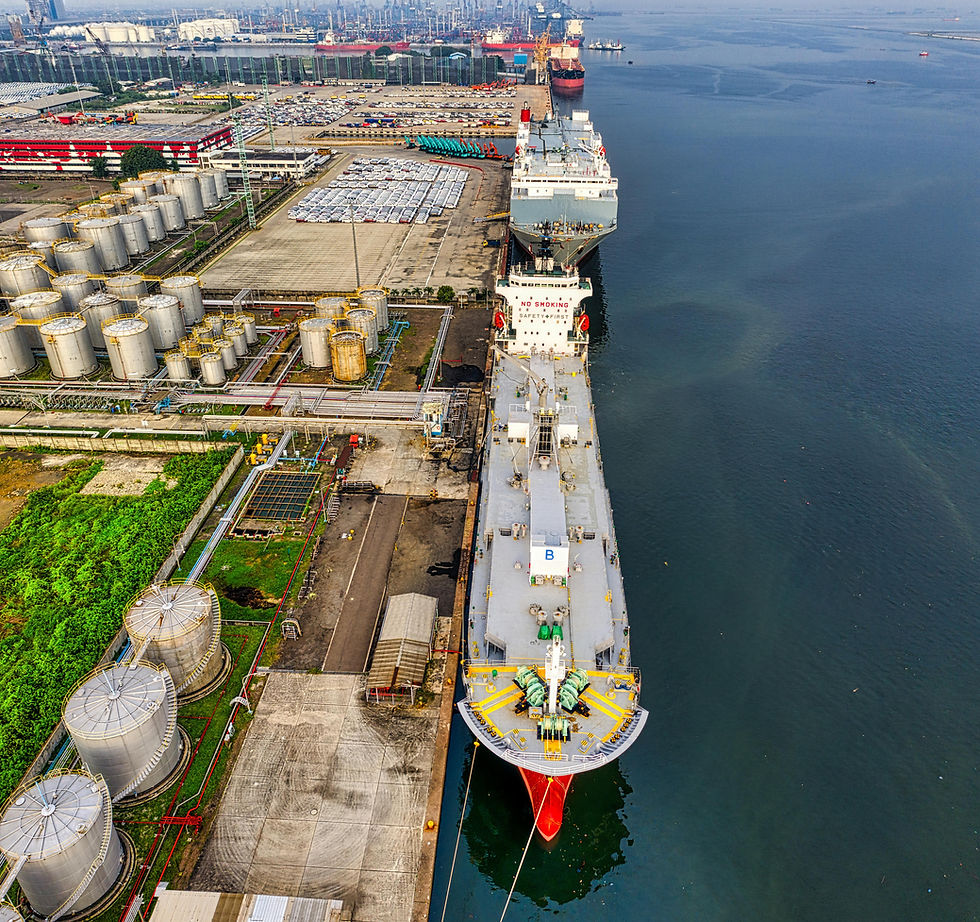
From a wider perspective, U.S. strategy appears increasingly focused on securing critical maritime routes. This dynamic is not new. Historically, dominant powers—from the Italian maritime republics to the British Empire—built their influence around the control of trade corridors. Today, that logic is re-emerging in a modern form. Hormuz is one node. Suez is another. And if one follows the flow eastward, a third becomes evident: the Strait of Malacca. These are not isolated points. They form a sequence. It is along this sequence that the global economy moves. Control does not necessarily mean direct occupation. It means influence over the conditions of passage. In the current phase of geopolitical competition, that influence is once again becoming central.

A system no longer stable
For years, the idea of a fragile equilibrium defined the relationship between Iran and the United States. That description is no longer sufficient. The system has not collapsed—but it is no longer stable. What we are observing is a dynamic balance, where escalation and restraint coexist. The conflict is active, but still contained within certain limits. Those limits, however, are under constant pressure. This is what makes the current phase particularly dangerous. Not because total war is inevitable, but because the structure that once prevented it is becoming less predictable.
Final note
At the time of writing, these dynamics continue to evolve rapidly. This is not a real-time chronicle, but an analytical framework designed to understand the forces that have led to this phase. By the time this article is read, some elements may have changed. The structure of the conflict, however, is likely to remain.
This article is part of the Grey Zones Archive, a research project exploring the strategic spaces where geopolitics operates beyond official narratives. The narrative universe connected to these themes appears in the geopolitical thrillerThe Naacal Protocol – Code 211 by Adelio Debenedetti.
Next article in the series: Global Chokepoints: How the United States Secures Strategic Maritime Routes

Comments