The Financial War against Iran: Sanctions, SWIFT and the power of the Dollar

By Adelio Debenedetti, author of The Naacal Protocol – Code 211
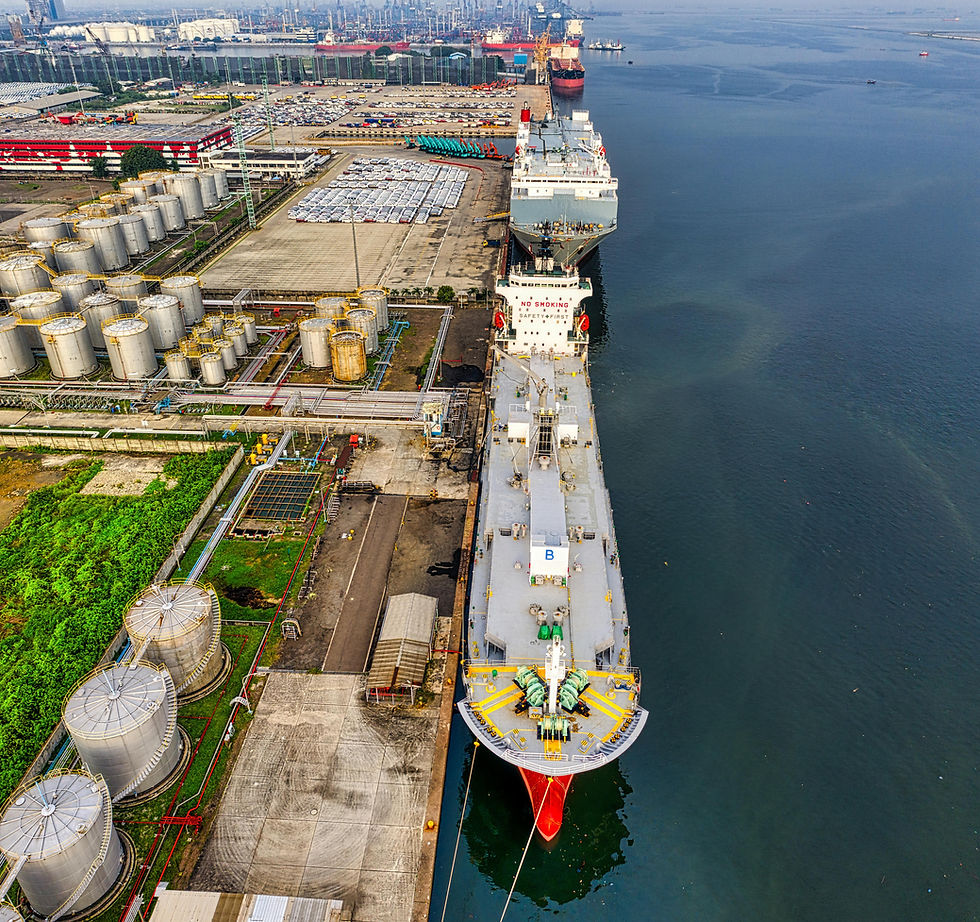
The war that is not fought with missiles
When the confrontation between United States and Iran is discussed, attention usually focuses on military tensions: missiles, naval deployments in the Persian Gulf, or proxy conflicts across the Middle East. Yet the most powerful weapon Washington has used against Tehran is not military.
It is financial. Over the past two decades the United States has developed a strategy often described by analysts as financial warfare: the use of the global financial system as a geopolitical instrument capable of isolating entire states without direct military confrontation.
Experts such as Juan Zarate and Edward Fishman describe this system as the weaponization of finance. In other words, economic networks created by globalization have become strategic chokepoints that can be used to exert political pressure.
The global power of the dollar
The first pillar of this strategy is the global role of the U.S. dollar. A large portion of international trade—especially in energy markets—is denominated in dollars. This means that transactions often pass through financial institutions connected to the American banking system. Because of this central position, the United States can restrict access to dollar-based transactions for targeted states or companies. When Washington imposes sanctions, banks and corporations around the world must decide between two options: maintain business with Iran, or maintain access to the American financial system. For most global institutions, the choice is obvious.
The result is that sanctions imposed by the United States often become global sanctions, even when other countries formally disagree.
SWIFT: the nervous system of global finance
The second instrument of financial pressure involves the international banking network known as SWIFT. SWIFT connects thousands of banks worldwide and enables them to exchange payment information securely. Being connected to SWIFT allows banks to move money across borders quickly and efficiently. Being excluded from it, however, can be devastating. When Iranian banks were disconnected from SWIFT under international sanctions, large parts of Iran’s financial system effectively lost access to global banking. This made international trade far more complicated and dramatically increased transaction costs for Iranian companies.
In practical terms, exclusion from SWIFT functions as a form of financial isolation.

Oil sanctions and the pressure on Iran’s economy
The third pillar of economic pressure targets Iran’s most important economic sector: energy exports. Iran possesses some of the largest oil and gas reserves in the world, and petroleum exports have historically provided a major share of government revenue. American sanctions have attempted to restrict this revenue through several mechanisms: limiting Iranian oil exports,
discouraging foreign buyers, restricting shipping insurance, targeting companies involved in energy transactions. These measures do not always eliminate Iranian exports completely, but they can significantly reduce volumes and increase the difficulty of conducting international energy trade. The objective is clear: weaken Iran’s economic capacity to finance regional influence and military programs.
An economy under constant pressure
The cumulative effect of sanctions has placed considerable pressure on the Iranian economy.
Restrictions on banking access, investment flows and energy exports have contributed to currency instability, inflation, reduced foreign investment. These pressures have affected everyday economic life inside Iran, creating long-term structural challenges for economic development. However, sanctions have not produced the political collapse that some policymakers once expected. Instead, the Iranian system has gradually adapted.
Adaptation and alternative economic networks
Faced with financial isolation, Iran has developed alternative strategies to maintain economic activity. These include indirect oil sales through intermediaries, barter trade arrangements,
increased economic cooperation with partners such as China and Russia. Over time these mechanisms have allowed Iran to maintain a reduced but persistent presence in global energy markets. Sanctions therefore create economic pressure, but they also encourage the development of parallel economic networks outside Western financial structures.

Financial warfare and the future of global power
The confrontation between the United States and Iran illustrates a broader transformation in global geopolitics. In the past, power was often exercised primarily through military force.
Today, financial networks and economic systems have become instruments of strategic influence.
Control over global financial chokepoints—such as the dollar system, banking networks and payment infrastructures—can provide enormous geopolitical leverage. For Washington, this system offers a way to pressure adversaries without immediate military escalation. For countries like Iran, however, it creates a powerful incentive to search for alternatives.
The economic confrontation between the United States and Iran demonstrates how globalization has reshaped the nature of power. Instead of relying solely on military force, states increasingly compete through financial systems, trade networks and energy markets. Sanctions, currency dominance and banking infrastructure have become strategic tools capable of shaping geopolitical outcomes. In this sense, the financial pressure applied to Iran represents more than a bilateral dispute. It reveals how economic systems themselves have become battlegrounds in modern international politics.
This article is part of the Grey Zones Archive, a research project exploring the strategic spaces where geopolitics operates beyond official narratives. The narrative universe connected to these themes appears in the geopolitical thrillerThe Naacal Protocol – Code 211 by Adelio Debenedetti.
Next article in the series: Iran US conflict, Middle East geopolitics, Hormuz crisis, global strategy, energy geopolitics



Comments