Strait of Hormuz: The Oil Chokepoint That Could Shake the Global EconomyWhy a narrow maritime corridor between Iran and Oman remains one of the world’s most dangerous strategic pressure points

By Adelio Debenedetti, author of The Naacal Protocol – Code 211

The narrow passage that moves the global economy
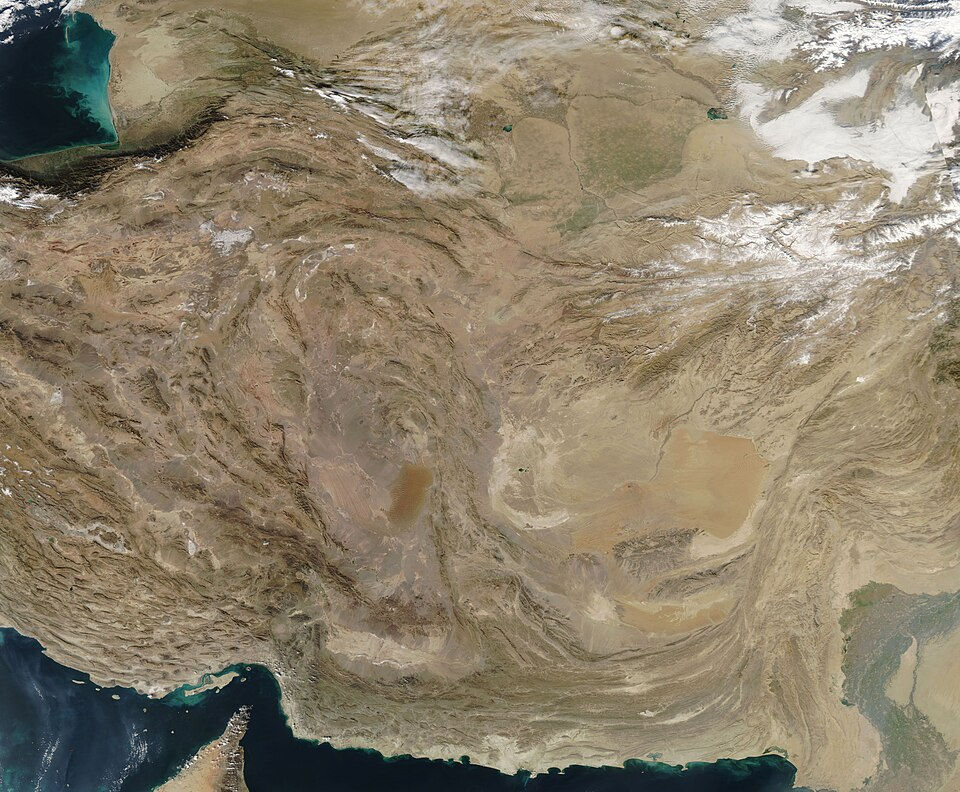
In geopolitical discussions, maps often reveal more than speeches. If one looks at the maritime routes that sustain the global energy system, a single corridor immediately stands out: the Strait of Hormuz. This narrow passage between Iran and Oman connects the Persian Gulf to the open waters of the Arabian Sea. At its narrowest point, the navigable channel is only a few kilometers wide. Yet through this maritime bottleneck flows one of the most critical resources of the global economy: oil. Every day, millions of barrels of crude oil leave the Gulf through Hormuz, heading toward Asia, Europe and global markets. This makes the strait not simply a regional shipping route, but a structural pillar of the international energy system. In geopolitical terms, Hormuz is what strategists call a global energy chokepoint.
Why Hormuz matters for global oil markets
The economies of the world remain deeply dependent on oil and liquefied natural gas exports from the Persian Gulf. Major producers such as Saudi Arabia, United Arab Emirates, Kuwait, and Iraq ship a large portion of their energy exports through the Strait of Hormuz.
For energy markets, the implications are enormous. If this corridor becomes unstable or temporarily closed, the consequences would not remain confined to the Middle East. The shock would immediately ripple across global oil prices, energy markets, and international supply chains. This is why analysts often describe Hormuz as one of the most sensitive oil chokepoints in the world. It is not simply a maritime passage. It is an economic pressure valve for the entire global system.
The economic domino effect of a Hormuz disruption
The economic consequences of a crisis in the Strait of Hormuz would unfold rapidly and across multiple sectors. The first and most immediate effect would be on global oil prices. Even a temporary disruption of tanker traffic could trigger speculative reactions in energy markets. Traders would anticipate supply shortages, driving oil prices upward within hours. But the consequences would not stop there. Higher oil prices translate directly into higher transportation costs, increased production costs for industries, and inflationary pressure across national economies. In other words, a crisis in Hormuz would not remain a regional issue. It would become a global economic shock. For countries heavily dependent on imported energy—particularly in Europe and Asia—the economic consequences could be severe.

Why the United States still cares about Hormuz
At first glance, one might assume that the United States has become less concerned about the Strait of Hormuz. After all, the American shale revolution has significantly reduced the country’s direct dependence on Middle Eastern oil. But geopolitics is rarely about direct dependence alone.
The United States remains deeply invested in the stability of global energy markets. A sudden surge in oil prices would affect the global economy, including American consumers and industries.
More importantly, Washington has long considered freedom of navigation in strategic maritime corridors a core strategic interest. Maintaining open sea lanes is not only about energy. It is about preserving the stability of the international economic system.
Iran’s strategic leverage
For Iran, the Strait of Hormuz represents one of the few strategic tools capable of balancing American military superiority. Tehran cannot realistically confront the United States in a conventional naval war. Instead, Iranian strategy relies on what military analysts call asymmetric deterrence. Missile batteries along the coast, naval mines, fast attack boats, and increasingly sophisticated drone systems allow Iran to threaten shipping traffic without directly confronting larger naval forces. The objective is not necessarily to close the strait permanently. The objective is uncertainty. Even the perception that shipping routes might become unsafe is enough to destabilize energy markets and raise oil prices. In other words, Iran’s leverage lies not in closing Hormuz, but in making the world fear that it could.

The global economy and fragile maritime corridors
The Strait of Hormuz illustrates a broader truth about the modern global economy. Globalization depends on a limited number of maritime corridors through which enormous volumes of goods, energy and raw materials move every day. These corridors—known as maritime chokepoints—are both logistical miracles and strategic vulnerabilities. If even one of them becomes unstable, the ripple effects can travel across continents. Hormuz is therefore not only a Middle Eastern problem. It is a structural vulnerability of the global economic system.
Why Hormuz remains a permanent geopolitical risk
Because of its geography and its economic significance, the Strait of Hormuz will likely remain one of the most sensitive flashpoints in global geopolitics. As long as tensions persist between Iran and Western powers, the possibility of disruption in this corridor will continue to influence strategic calculations. This does not necessarily mean that the strait will close. But it means that the world economy will continue to live with a persistent risk: the possibility that a narrow maritime passage could suddenly become the epicenter of a global crisis.
This article is part of the Grey Zones Archive, a research project exploring the strategic spaces where geopolitics operates beyond official narratives. The narrative universe connected to these themes appears in the geopolitical thrillerThe Naacal Protocol – Code 211 by Adelio Debenedetti.
Next article in the series: Iran Will Not Become Pro-Western: The Strategic Misreading Behind Western Expectations Persian nationalism, historical memory and why external pressure often strengthens the Iranian regime.


Comments