Iran–U.S. Conflict and Global Chokepoints: The Geography of Modern Power

By Adelio Debenedetti, author of The Naacal Protocol – Code 211
A conflict larger than the Middle East
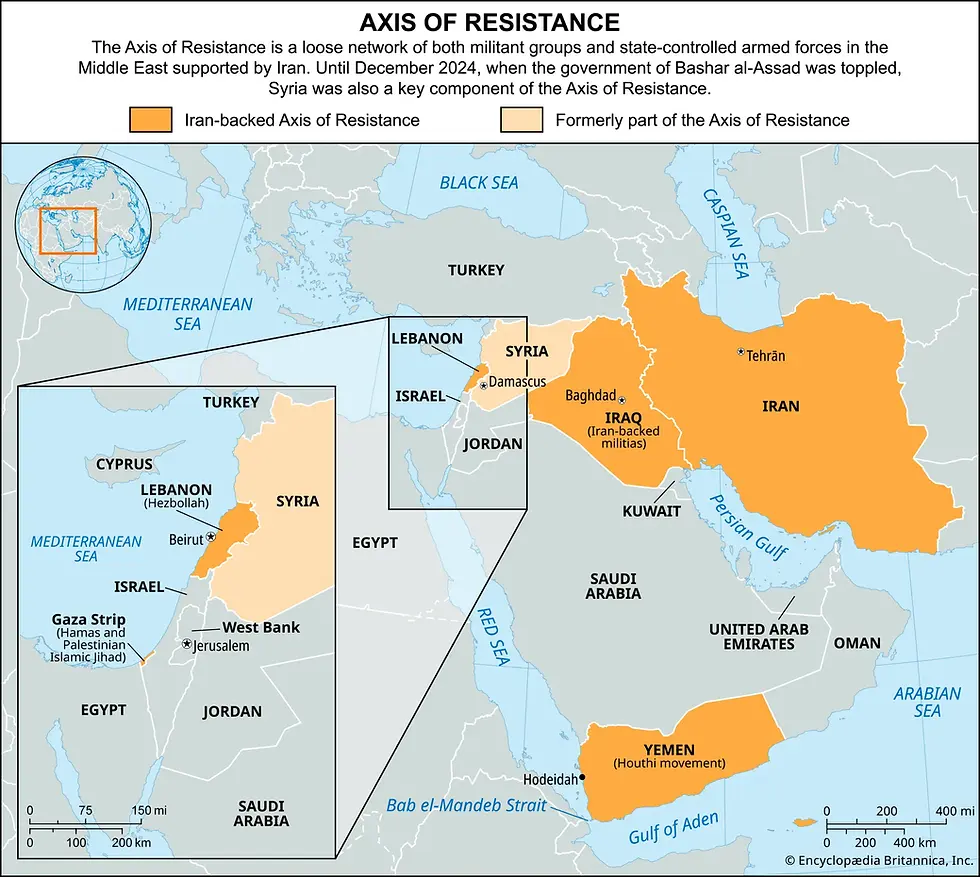
At first glance, the confrontation between Iran and the United States appears to be a regional struggle centered on the Middle East. Yet when examined in a broader geopolitical framework, the rivalry reveals something much larger. It is not merely a bilateral dispute over nuclear programs, sanctions or regional influence. It is part of a wider transformation of the international system—one in which geography, energy routes and strategic chokepoints once again define the architecture of global power. The previous articles in this dossier have explored the military, economic and strategic dimensions of the Iran–U.S. confrontation. Taken together, they reveal a deeper pattern: the struggle for control—or protection—of the infrastructures that sustain the global economy.
The geography of power
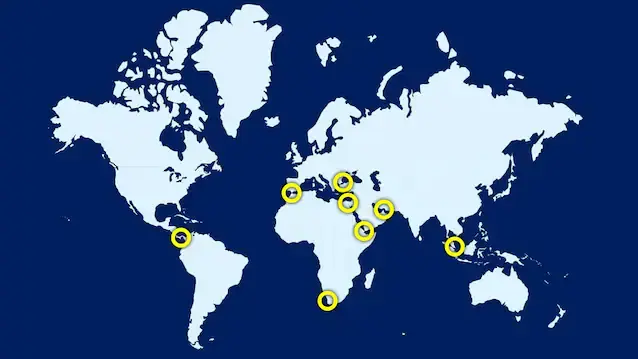
One of the recurring themes throughout this analysis is the enduring role of geography in international politics. Despite technological advances and digital globalization, the physical world still determines the structure of power. Oil must travel through pipelines and shipping lanes. Trade still relies on maritime routes. Energy still flows through narrow corridors. This is why locations such as the Strait of Hormuz, the Suez Canal, the Strait of Malacca, and the Bab el-Mandeb remain critical nodes of global stability. These passages are not merely geographic features. They are structural chokepoints of the global economic system.
Energy flows and global stability
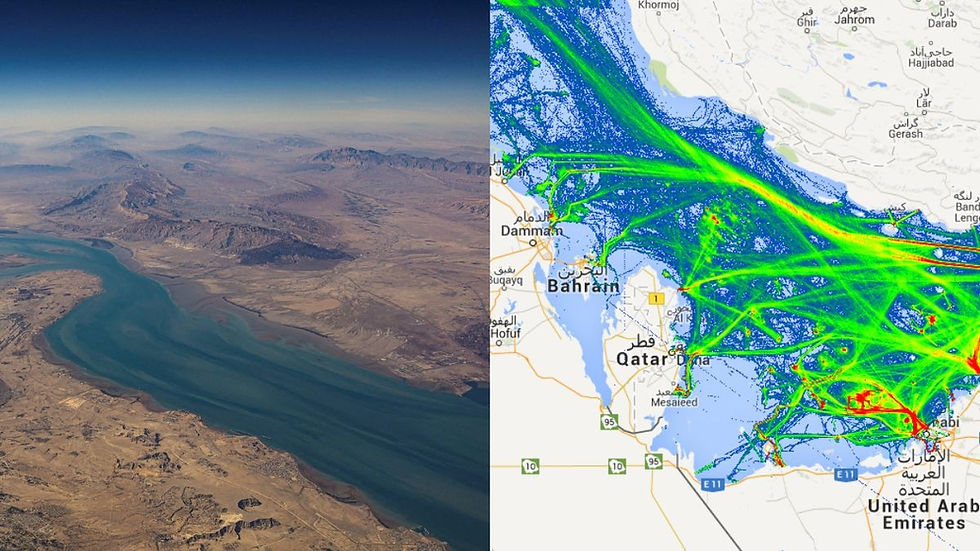
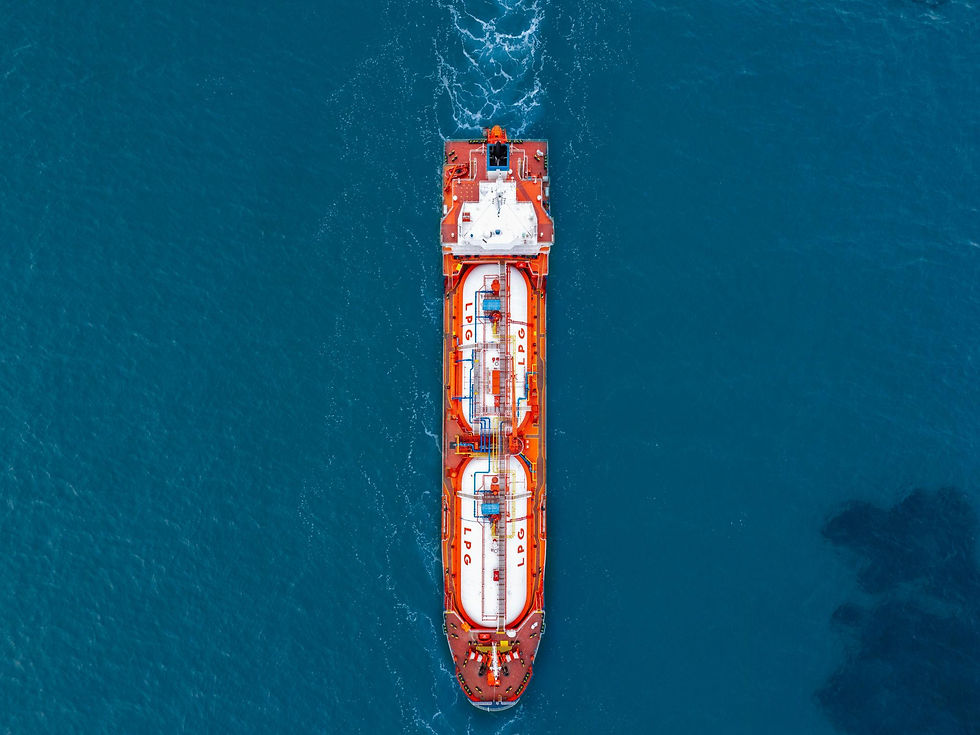
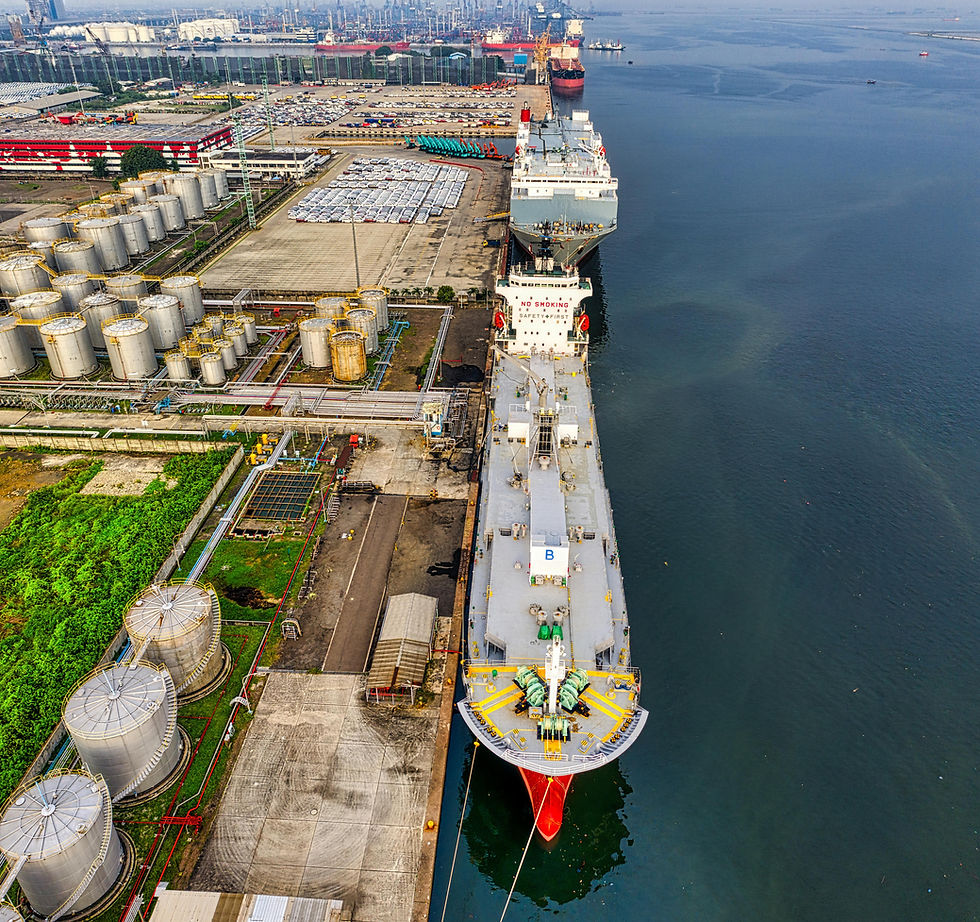
The Iran–U.S. confrontation illustrates how energy routes can transform local tensions into global concerns. The Persian Gulf is one of the most important energy corridors in the world. A significant share of global oil exports passes through the Strait of Hormuz, making it one of the most sensitive maritime chokepoints on the planet. Any disruption in this corridor—whether caused by military escalation, sabotage or political crisis—would immediately affect global energy markets. Oil prices would surge.Shipping insurance costs would rise. Supply chains would experience rapid stress. For this reason, maintaining the stability of Hormuz is not merely a regional priority. It is a matter of global economic security.
Maritime power and the American system
Since the end of the Second World War, the United States has functioned as the principal guarantor of open maritime routes. Through its naval presence and network of alliances, Washington has sought to ensure that international trade flows remain uninterrupted. This approach reflects the long-standing maritime doctrine articulated by naval strategist Alfred Thayer Mahan, who argued that sea power and the control of maritime routes are fundamental to global influence. Today this doctrine remains visible in the American naval presence across strategic regions such as the Persian Gulf, the Mediterranean and the Indo-Pacific.
The rise of competing maritime visions
However, the geopolitical landscape is changing. The growing economic and strategic reach of China has introduced a new dimension to maritime competition. Through investments in ports, infrastructure and logistics networks along global shipping routes, Beijing has been expanding its influence across key trade corridors. At the same time, Russia has strengthened its presence in several strategic maritime regions, particularly in the Arctic. These developments suggest that the global system may be moving toward a more multipolar maritime order. In such an environment, chokepoints become even more important.
From Hormuz to the Arctic
The strategic importance of maritime routes is not limited to traditional energy corridors. Climate change and technological advances are gradually opening new shipping routes across the Arctic.
Regions such as Greenland are gaining strategic relevance as potential gateways between the Atlantic and Pacific Oceans. If Arctic routes become commercially viable, they could alter global shipping patterns and introduce new strategic chokepoints. This explains why Arctic geopolitics is becoming increasingly central to the long-term strategies of major powers.
The meaning of the Iran–U.S. confrontation
Seen from this broader perspective, the confrontation between Iran and the United States becomes more than a regional dispute. Iran occupies a critical geographic position near one of the world’s most important energy chokepoints. Its ability to influence shipping through the Strait of Hormuz gives Tehran strategic leverage that extends beyond its immediate region. For Washington, maintaining stability in this corridor is therefore not only a regional concern. It is a structural requirement of the global economic system.
A system built on fragile stability
The global order that emerged after the Cold War was built on the assumption that maritime routes would remain open and secure. But today that assumption is increasingly contested. Great-power competition, regional conflicts and economic rivalries are placing new pressure on the infrastructures that support global trade. This creates a system characterized not by permanent stability, but by fragile equilibrium. In such a system, chokepoints become focal points where geopolitical tensions can rapidly escalate.
The Iran–U.S. confrontation illustrates a broader reality of modern geopolitics. Power in the twenty-first century is not determined solely by military strength or economic size. It is also defined by the ability to secure—or potentially disrupt—the flows of energy, goods and capital that sustain the global economy. For this reason, maritime chokepoints remain central to the architecture of international power. The rivalry between Iran and the United States is only one chapter in this larger story. A story in which geography, energy and maritime routes continue to shape the balance of global power.
This article is part of the Grey Zones Archive, a research project exploring the strategic spaces where geopolitics operates beyond official narratives. The narrative universe connected to these themes appears in the geopolitical thrillerThe Naacal Protocol – Code 211 by Adelio Debenedetti.
Next article in the series: Is Iran’s Economy Collapsing? Sanctions, Inflation and the Crisis of the Iranian Economy
Comments