Iran–US geopolitical dossier: Energy, Military Power and Financial Warfare

By Adelio Debenedetti — author of The Naacal Protocol – Code 211

The rivalry between Iran and the United States is one of the most complex geopolitical confrontations of the modern era. It combines military tension, economic pressure, energy security and regional power struggles into a single strategic system that shapes the balance of the Middle East. This dossier explores the multiple dimensions of that confrontation through a series of analytical articles examining its strategic, economic and military aspects. Rather than focusing on a single crisis or event, the series analyzes the structural dynamics that define the Iran–U.S. relationship: the geography of energy routes, the role of financial sanctions, proxy conflicts across the region and the evolving balance of power in global geopolitics. Together, these articles form a broader framework for understanding why tensions between Washington and Tehran continue to influence international security and global energy markets.
Strategic geography and energy routes
Energy flows remain one of the central drivers of geopolitical competition in the Middle East.The Strait of Hormuz represents one of the world’s most important maritime chokepoints, connecting the Persian Gulf to global energy markets.
Articles in this section
Strait of Hormuz: The Oil Chokepoint That Could Shake the Global Economy
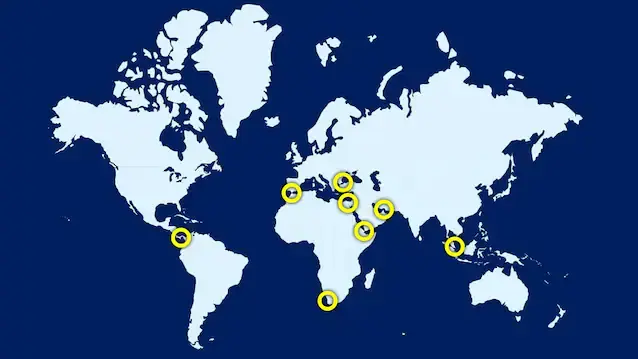
Global Chokepoints: How the United States Secures Strategic Maritime Routes
Regional conflict dynamics
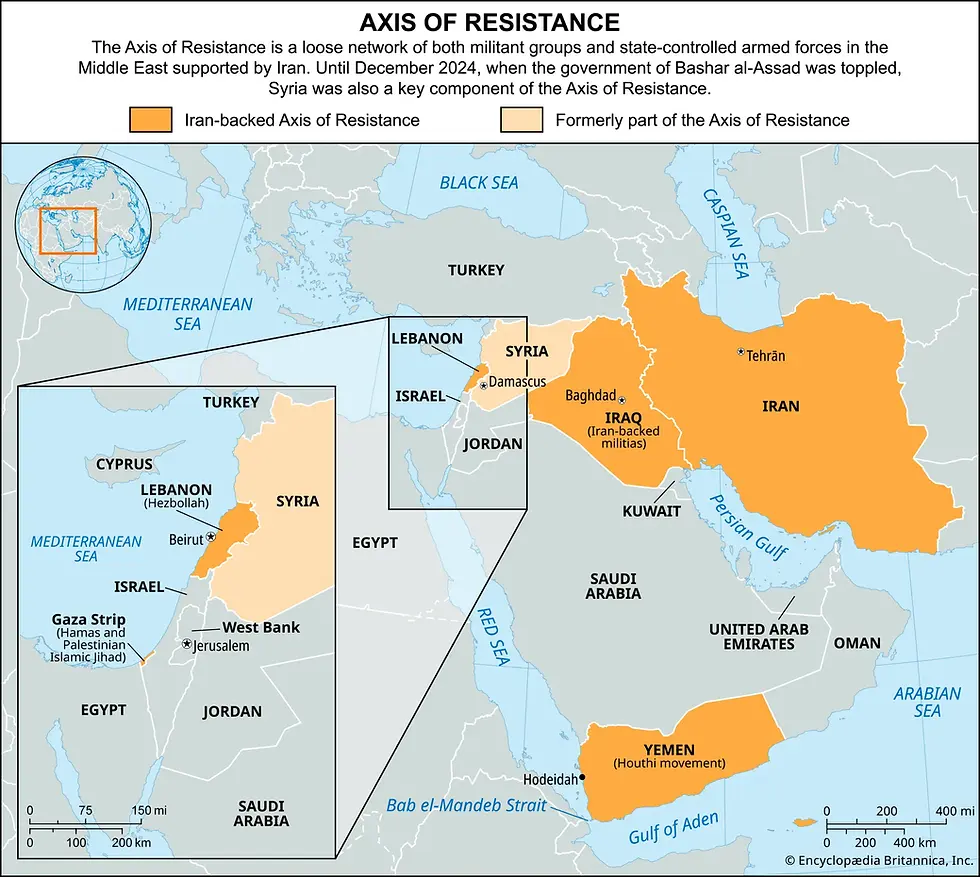
The confrontation between Iran and the United States unfolds through a complex network of alliances, rivalries and proxy conflicts across the Middle East. These dynamics shape the regional balance of power and define the strategic environment in which Tehran, Washington and their partners operate.
Articles in this section
Iran vs United States: Why This Conflict Is Structural
Iran, Israel and the Shadow War of the Middle East
Military strategy and asymmetric warfare
Iran’s military doctrine does not rely on conventional superiority.Instead, it emphasizes asymmetric warfare, proxy networks and missile capabilities designed to offset technological disadvantages against stronger adversaries.
Articles in this section
Iran’s Asymmetric War Strategy: How Cheap Drones Challenge Western Military Power
Financial warfare and economic pressure
In modern geopolitics, economic systems have become strategic instruments of power.Sanctions, financial networks and currency dominance allow states to exert pressure without direct military confrontation.
Articles in this section
The Financial War Against Iran: Sanctions, SWIFT and Dollar Power
Strategic scenarios for the future
The Iran–United States confrontation could evolve in several directions: regional escalation, prolonged containment or a gradual transformation of the Middle Eastern balance of power.
Articles in this section
Iran–U.S. Conflict: Escalation or a Fragile Balance in the Middle East?
Economic pressures inside Iran
Internal economic conditions also influence the strategic posture of the Iranian state and its ability to sustain regional influence.
Article
Is Iran’s Economy Collapsing? Sanctions, Inflation and the Iranian Economic Crisis
Ideological and political dynamics
Western expectations often assume that economic pressure can lead to political realignment. However, Iran’s political structure and national identity follow a different trajectory.
Article
Iran Will Not Become Pro-Western: The Strategic Misreading Behind Western Expectations
The Iran–US geopolitical dossier illustrates how modern geopolitics operates across multiple interconnected domains. Military deterrence, financial pressure, energy routes and regional alliances interact to create a strategic system that extends far beyond bilateral tensions. Understanding this complex network is essential for interpreting the evolving balance of power in the Middle East and its impact on global stability.

Comments