Is Iran’s economy collapsing? Sanctions, inflation and the crisis of the iranian economy

By Adelio Debenedetti — author of The Naacal Protocol – Code 211
A country under economic strain
Few countries in the world have experienced a sequence of economic shocks comparable to those faced by Iran over the past fifteen years. The combination of international Iran sanctions, chronic inflation, currency instability and structural economic weaknesses has created one of the most fragile economic environments in the Middle East. Yet despite the severity of this Iran economic crisis, the Iranian political system has not collapsed. Instead, the country illustrates a different geopolitical phenomenon: long-term economic erosion without immediate regime implosion. Understanding the trajectory of the Iran economy requires examining the shocks that have progressively weakened its foundations.

The collapse of oil revenues
Energy exports have historically been the backbone of the Iran economy. Oil revenues have financed large portions of government spending, infrastructure and social programs. But this dependency has also made Iran extremely vulnerable to sanctions. The first major shock occurred between 2012 and 2013, when international restrictions sharply reduced Iranian oil exports. In some periods shipments fell by nearly 40 percent as major buyers withdrew under financial pressure. A second and even more severe wave arrived in 2018 after the United States withdrew from the nuclear agreement and reinstated sweeping Iran sanctions targeting both the banking system and energy sector. Washington’s strategy aimed to dramatically reduce Iranian oil exports and isolate the country from global financial networks. Although Iran managed to maintain some exports through indirect channels, government revenues were significantly reduced. This marked the beginning of a prolonged phase of structural economic weakening.
Inflation and the collapse of the rial
One of the most visible signs of the Iran economic crisis has been the collapse of the national currency. Over the last decade the Iranian rial has repeatedly lost value against major currencies. At several points the exchange rate in informal markets reached historic lows, reflecting declining investor confidence and persistent inflation. Inflation in Iran has frequently hovered between 40 and 50 percent, dramatically eroding household purchasing power. For ordinary citizens the consequences are immediate such as rising food prices, declining salaries in real terms and growing economic inequality. In such conditions long-term economic planning becomes nearly impossible for businesses and households.

The central bank and the struggle for stability
Faced with currency collapse and rising inflation, the central bank has attempted to stabilize the system by allocating scarce foreign currency to essential imports. Oil revenues and limited foreign exchange reserves are used to secure key goods such as food supplies, medicine, industrial inputs. But this defensive strategy creates a dilemma. Using foreign currency reserves to support imports may stabilize the domestic market in the short term, yet it simultaneously reduces the resources available for long-term economic recovery. For an economy already constrained by Iran sanctions, these trade-offs become increasingly severe.
China: Iran’s crucial but uncertain economic partner
One of the key factors preventing a complete collapse of the Iran economy has been the role of China. Over the past decade China has become the primary buyer of Iranian oil shipped through indirect channels. In some years more than 80 percent of Iran’s seaborne oil exports were directed to Chinese refineries, often sold at significant discounts. However, this relationship is far from unconditional. Sanctions targeting shipping networks, insurance systems and intermediary companies have increased the risks associated with Iranian oil. As a result Chinese purchases fluctuate depending on geopolitical pressure and market conditions. China does not rescue Iran economically out of strategic loyalty. It buys Iranian oil when the price and conditions are advantageous.
Financing regional influence
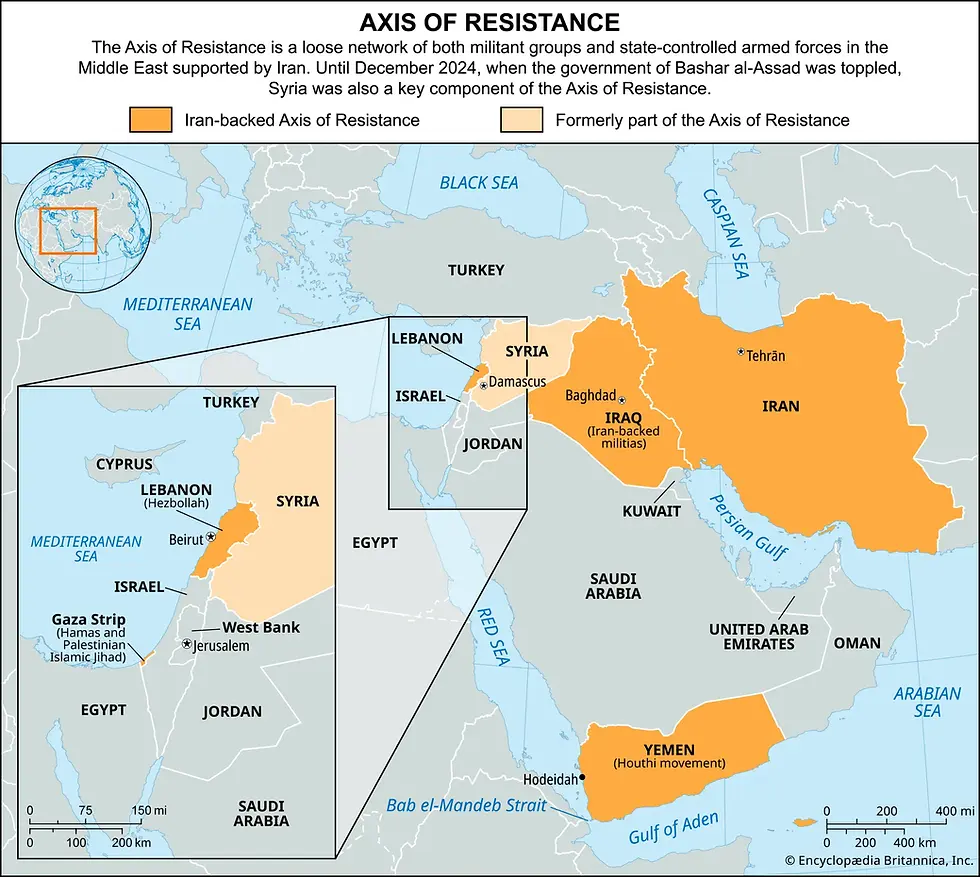
Economic pressure on Iran is further complicated by its regional strategic commitments. The Iranian leadership considers its network of allies and proxy organizations essential to national security. Among the most important of these groups is Hezbollah in Lebanon. Maintaining these relationships requires financial resources even during periods of economic difficulty. Funds are allocated to support allied organizations, intelligence activities and regional military infrastructure. From the perspective of Iranian leadership, these expenditures strengthen national security. From the perspective of many Iranian citizens experiencing inflation and unemployment, they represent resources diverted from domestic economic needs.

The overlooked economic shock: Iran’s water crisis
Another dimension of the Iran economic crisis is environmental. In 2025 the country faced one of the most severe water shortages in decades. Reservoir levels dropped dramatically while agricultural regions experienced reduced irrigation capacity. Urban centers struggled with declining water supplies and increasing pressure on infrastructure. Water scarcity has major economic consequences such as declining agricultural productivity, rising food prices, internal migration toward major cities. Environmental stress therefore amplifies the existing economic challenges created by sanctions and inflation.
Protest movements without a unified opposition
Economic hardship has triggered repeated protests across Iran. Workers, students, pensioners and other social groups have taken to the streets to protest inflation, unemployment and declining living standards. However these movements remain fragmented. Different social groups protest for different reasons, and opposition forces have not yet formed a unified political alternative capable of challenging the state. Without such coordination economic crisis alone rarely produces regime collapse.
A system eroding rather than imploding
The current condition of the Iran economy can therefore be described as progressive erosion rather than imminent collapse. Sanctions, inflation and declining oil revenues weaken the country’s economic foundations year after year. But erosion is not the same as implosion. Several factors continue to sustain the system:
centralized political authority
strong security institutions
limited but persistent oil revenues
economic partnerships with countries such as China.
These elements allow the Iranian state to absorb shocks that might destabilize other systems.
Today the Iran economic crisis represents one of the most complex economic challenges in the contemporary Middle East. Sanctions, inflation, currency collapse and environmental stress have created enormous pressure on the country’s economic structure. Yet economic hardship alone does not automatically translate into political transformation. For now Iran appears to be a system under severe strain — an economy slowly wearing down under sanctions and inflation rather than collapsing overnight. Whether this erosion eventually leads to reform, adaptation or systemic change remains one of the key geopolitical questions shaping the future of the region.
This article is part of the Grey Zones Archive, a research project exploring the strategic spaces where geopolitics operates beyond official narratives. The narrative universe connected to these themes appears in the geopolitical thrillerThe Naacal Protocol – Code 211 by Adelio Debenedetti.
Read the full dossier: Iran–United States: Geopolitics of a Strategic Confrontation
Comments